


InvestMalaysia Hub Logo InvestMalaysia Hub Contact Us
Contact Us

Foreign Direct Investment in Malaysia

Understanding FDI trends, MIDA incentives, economic zones, and multinational corporate growth reshaping Southeast Asia’s economy

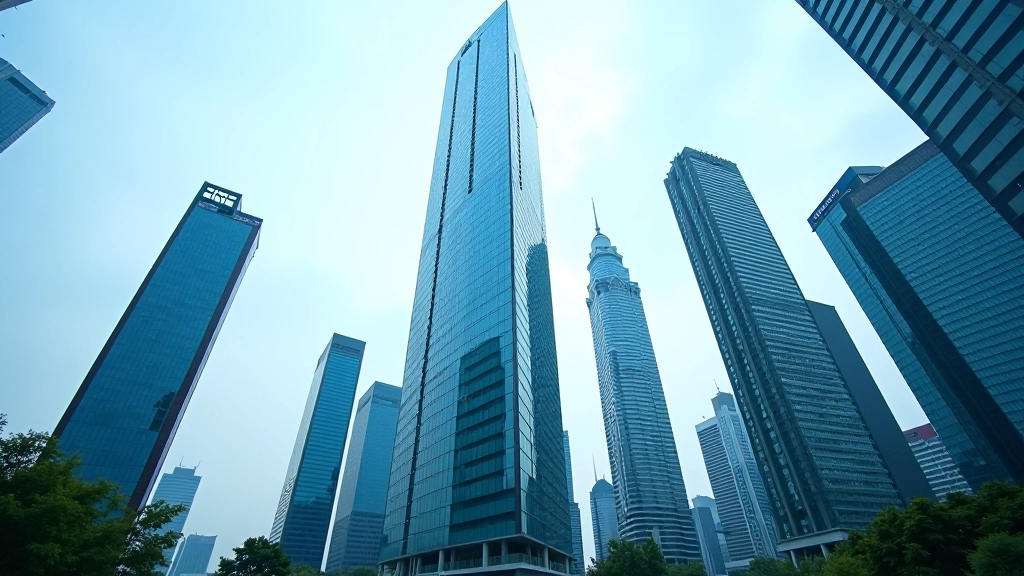
Modern business district skyline with glass buildings, urban economic center representing Malaysia's investment landscape
USD 146B+ FDI Stock (2023)
40+ Investment Sectors
2,500+ Multinational Companies
8 Major Economic Zones

Why Malaysia Attracts Global Investment

Malaysia’s strategic position as a gateway to Southeast Asia, combined with stable governance and investor-friendly policies, makes it one of the region’s most attractive investment destinations. We’re seeing substantial capital flows across semiconductors, manufacturing, technology, and renewable energy sectors.

The country’s infrastructure development, skilled workforce, and competitive tax incentives create an ecosystem where multinational corporations thrive. From MIDA’s targeted incentive frameworks to specialized economic zones, Malaysia’s approach to FDI is systematic and results-driven.

Read Full Analysis
Port terminal with shipping containers and cargo handling equipment, representing Malaysia's logistics and trade infrastructure

FDI Growth Trajectory

Malaysia’s foreign direct investment landscape shows consistent growth across key economic indicators

Annual FDI Inflows

USD 9.4B (2023)

Reflects strong investor confidence in Malaysia’s economic fundamentals and sectoral opportunities across manufacturing and technology

Top Investing Countries

Singapore, China, USA

Regional proximity and strategic partnerships drive significant capital deployment from neighboring economies and global tech leaders

Leading Sectors

Electronics, Manufacturing, Oil & Gas

Semiconductor and electrical equipment manufacturing dominate investment flows, representing nearly 40% of total FDI stock

Employment Impact

1.2M+ Jobs

Multinational enterprises directly employ over 1.2 million workers, creating significant economic multiplier effects throughout the supply chain

MIDA Incentive Programs

Malaysia’s coordinated incentive structure encourages long-term investment across priority sectors

Pioneer Status

5-10 year tax holidays on manufacturing profits. Companies expanding production capacity in targeted sectors get immediate approval and substantial tax relief packages.

Investment Tax Allowance

Deductible capital expenditure allowances up to 60% for equipment and building investments. Encourages reinvestment and facility upgrades within approved sectors.

Manufacturing Exemptions

Import duty exemptions on machinery and raw materials. Tariff relief reduces input costs and improves competitiveness for export-oriented manufacturing operations.

Technology & Innovation

Enhanced incentives for R&D activities and technology transfer projects. Digital economy and high-tech manufacturing get priority designation with additional benefits.

Green Investment

Special incentives for renewable energy and environmental projects. Companies investing in sustainable manufacturing get accelerated approval and extended tax relief periods.

Export Incentives

Preferential treatment for export-oriented manufacturing. Duty drawback schemes and export credit facilities support companies targeting regional and global markets.

Special Economic Zones & Performance

Malaysia’s strategic economic zones drive FDI concentration and regional development

Multimedia Super Corridor

Kuala Lumpur’s flagship tech zone attracting IT, software, and digital media companies. Home to major tech campuses and innovation hubs with world-class connectivity infrastructure.

Iskandar Malaysia

Johor’s comprehensive development region spanning manufacturing, logistics, and tourism. USD 4B+ in cumulative FDI creating integrated economic ecosystem in southern peninsula.

Free Trade Zones

Port Klang, Penang, and Johor Bahru zones providing duty-free status and preferential trading arrangements. Critical hubs for electronics, semiconductors, and petrochemical manufacturing.

Electrical & Electronics Hubs

Penang and Selangor clusters dominate semiconductor and component manufacturing. Over 400 E&E companies generating 28% of total manufacturing exports annually.

Petrochemical Corridors

Terengganu and Johor’s integrated petrochemical clusters support downstream manufacturing. Strategic location reduces logistics costs and enables supply chain integration.

Biotech Innovation Zones

Emerging life sciences clusters in Selangor and Kuala Lumpur attracting pharmaceutical and biomedical device manufacturers. Government support through MIDA drives sector expansion.

Latest FDI Insights

In-depth analysis of Malaysia’s investment landscape and economic trends
Modern office building with glass exterior reflecting clouds, urban skyline background

MIDA Incentive Frameworks Explained

A detailed breakdown of Malaysia’s investment incentives, tax holidays, and sector-specific benefits that attract multinational corporations to establish operations here.

Read Article

Shipping containers stacked at port terminal with cranes loading cargo ships

Special Economic Zones: Performance and Growth

Examining how Malaysia’s free trade zones and economic corridors drive FDI concentration, manufacturing output, and regional development through targeted infrastructure investments.

Read Article

Laptop screen displaying financial charts and data analysis with graphs, desk setup

FDI Inflow Trends and Sector Analysis

Tracking annual FDI inflows, sector-wise distribution across semiconductors, electronics, and manufacturing, plus emerging investment patterns in technology and renewable energy.

Read Article

What Investment Professionals Say

Insights from those actively engaged in Malaysia’s foreign direct investment ecosystem

“We’ve been investing in Malaysia for eight years now. The consistency of the regulatory environment and MIDA’s support has made expansion straightforward. They’re not just helpful — they actually understand what multinational companies need to succeed here.”

— Rajesh Kumar, Regional Operations Director

“Malaysia’s semiconductor cluster in Penang isn’t something you build overnight. The ecosystem is real — suppliers, skilled workers, infrastructure. We’ve seen tremendous productivity gains since moving here compared to other regional locations.”

— Chen Wei, Manufacturing Manager

“The tax incentive structures actually make financial sense. It’s not just generous on paper — the implementation is professional and transparent. That’s rare in Southeast Asia, honestly. Makes us confident about long-term commitments.”

— Sarah Thompson, CFO, Tech Division

FDI in Malaysia FAQ

Answers to frequently asked questions about investing in Malaysia

What types of companies qualify for MIDA incentives?

MIDA incentives apply to manufacturing, technology, digital economy, renewable energy, and strategic service sectors. Eligibility depends on capital investment thresholds, job creation targets, and sector classification. Applications are evaluated case-by-case through MIDA’s structured approval process.

How long does the MIDA application process take?

Standard MIDA applications typically receive approval within 4-8 weeks from submission. Expedited processes exist for priority sectors and large-scale investments. Processing time depends on documentation completeness, sector classification, and investment scale.

What’s the difference between Pioneer Status and ITA?

Pioneer Status grants 5-10 year corporate tax holidays on profits from approved manufacturing. Investment Tax Allowance (ITA) provides deductible capital expenditure allowances up to 60% without income tax exemption. Companies choose based on capital intensity and profit projections.

Are there incentives for non-manufacturing sectors?

Yes. MIDA covers technology, digital services, biotechnology, renewable energy, and advanced services. Non-manufacturing incentives include tax deductions, R&D credits, and infrastructure support. Eligibility varies by sector classification and strategic importance.

What infrastructure support exists in economic zones?

Major economic zones provide power, water, telecommunications, port/airport access, and logistics hubs. Free trade zones offer duty-free imports and preferential trading arrangements. Zone operators coordinate facility management, regulatory compliance, and tenant services.

How stable is Malaysia’s investment climate?

Malaysia maintains stable governance, transparent legal frameworks, and investor protection guarantees. Currency controls are minimal for legitimate business operations. The country’s consistent regulatory environment and strong institutional capacity support long-term investor confidence.

Ready to Explore FDI Opportunities?

Whether you’re analyzing Malaysia’s investment landscape or planning a direct investment, we’re here to help. Get detailed guidance on MIDA incentives, economic zones, and sector-specific opportunities.

Contact Us Today