
MIDA Incentive Frameworks Explained
A detailed breakdown of Malaysia’s investment incentives, tax holidays, and sector-specific benefits designed to attract foreign direct investment.
Read MoreHow Malaysia’s free trade zones and economic corridors drive foreign direct investment concentration, manufacturing output, and regional development through targeted infrastructure investments.
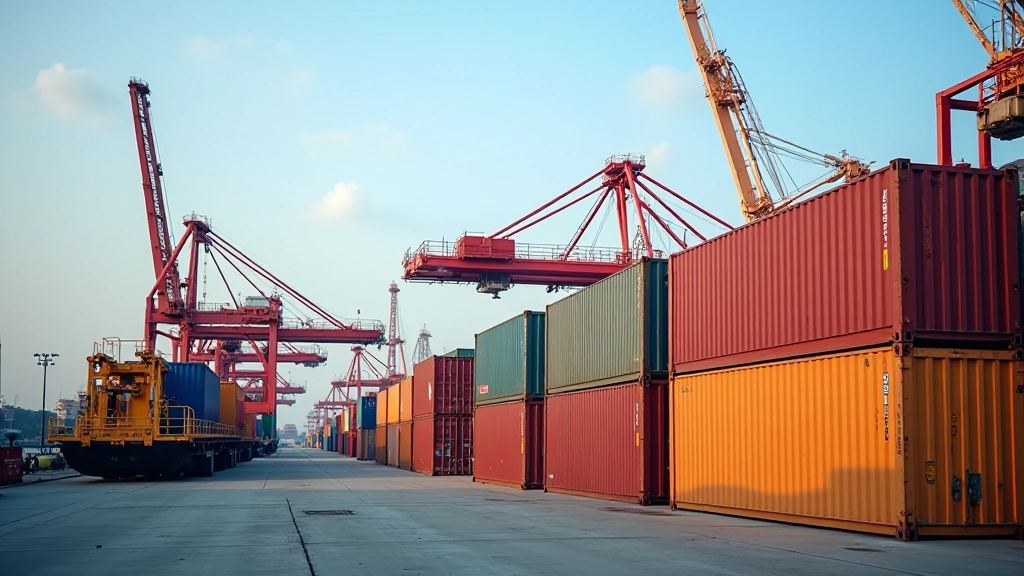
Malaysia’s special economic zones (SEZs) aren’t just designated areas on a map. They’re carefully engineered ecosystems designed to attract foreign manufacturers, traders, and logistics companies. We’re talking about free trade zones in Port Klang, Penang, and Johor; industrial parks across the peninsula; and integrated economic corridors that connect production hubs to global markets.
These zones work because they solve real problems for multinational corporations. Companies get streamlined customs procedures, tax incentives, and purpose-built infrastructure. Malaysia gets manufacturing employment, technology transfer, and consistent FDI inflows. It’s a straightforward exchange that’s transformed the country’s economy since the 1970s.
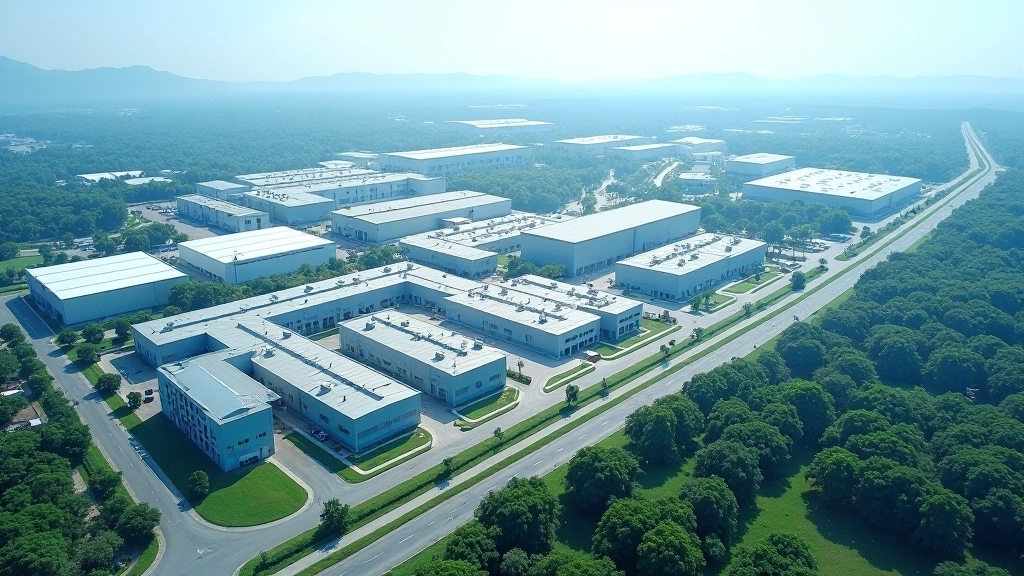
Malaysia operates several types of economic zones, each serving specific purposes. Free Trade Zones (FTZs) like Port Klang and Penang handle import-export operations with minimal customs interference. Licensed Manufacturing Warehouses (LMWs) allow companies to manufacture for export under special conditions. Industrial estates provide factory space with shared utilities and logistics support. Regional economic corridors—including the Northern, Iskandar Malaysia, and East Coast corridors—integrate multiple zones into broader development strategies.
The infrastructure matters enormously. You’ll find deep-water ports with container handling capacity exceeding 20 million TEUs annually, modern highway networks connecting zones to major cities, and fiber-optic telecommunications. Companies don’t just get a plot of land—they get access to established supply chains, skilled labor pools, and pre-existing manufacturing ecosystems.
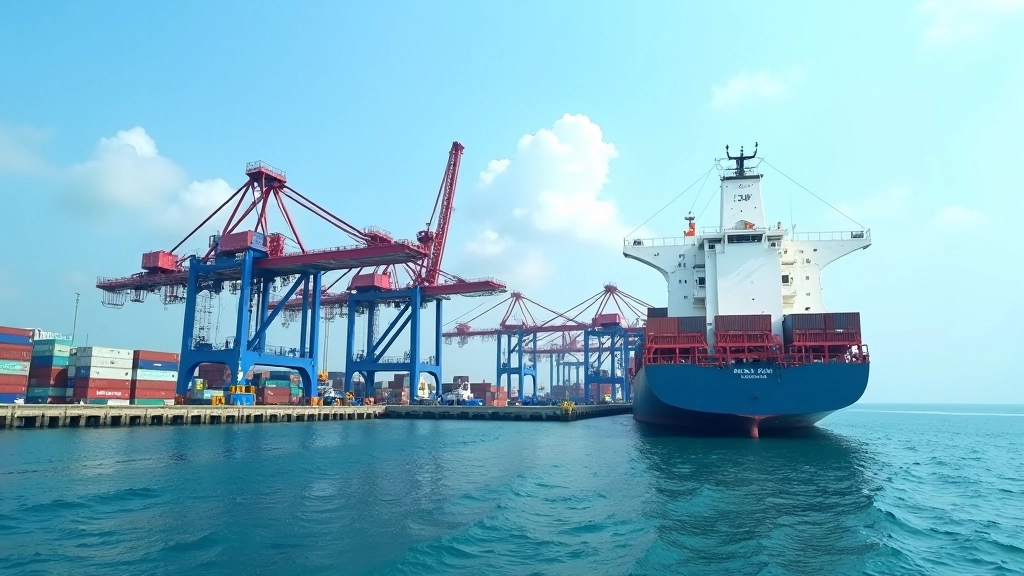
These zones generate measurable economic impact across multiple dimensions.
Malaysia’s free trade zones handle over 250 million tonnes of cargo annually. Port Klang alone processes more than 13 million TEU per year, making it one of Asia’s busiest container ports.
Semiconductor and electronics manufacturing in designated zones contributes roughly 25% of Malaysia’s total manufacturing output. Companies like Intel, Penang’s semiconductor corridor hosts over 40 major chip manufacturers.
Economic zones directly employ over 600,000 workers. Indirect employment through supply chains, logistics, and services extends this to more than 1.5 million people across the country.
Products manufactured or processed in these zones account for approximately 60% of Malaysia’s total merchandise exports, valued at over USD 200 billion annually.
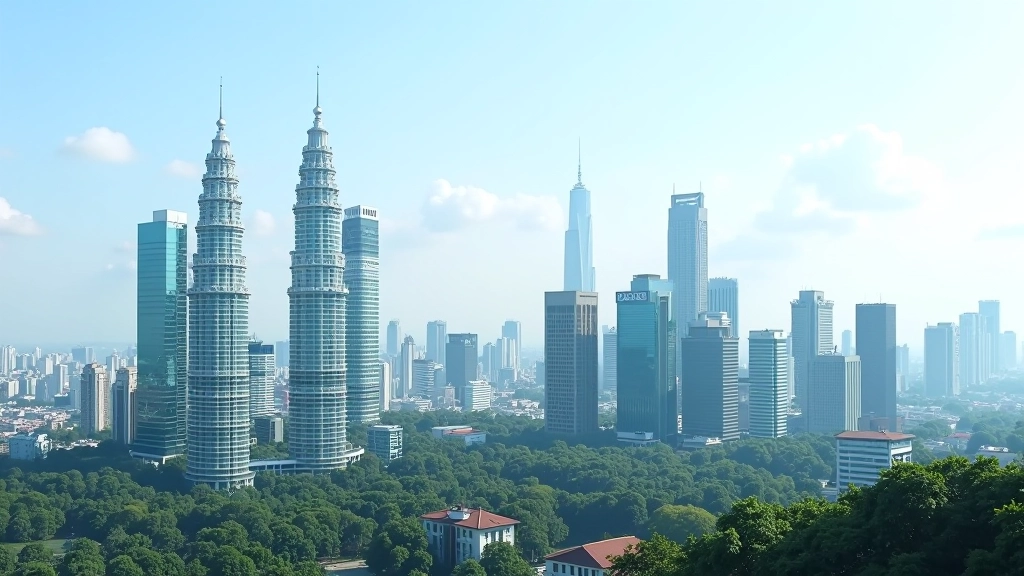
Foreign direct investment doesn’t arrive evenly across all zones. Penang’s industrial areas attract semiconductor and electronics companies because of established ecosystems and technical expertise. Johor’s zones focus on petrochemicals and refining. Port Klang draws logistics and trading operations. This clustering effect—where similar industries concentrate in specific zones—creates competitive advantages for all participants.
The MIDA (Malaysian Investment Development Authority) incentive framework reinforces this pattern. Companies get tax holidays ranging from 5-10 years, pioneer status benefits for pioneering industries, accelerated capital allowances, and exemptions on import duties for machinery and raw materials. These aren’t vague promises—they’re codified legal instruments that reduce operational costs by 15-20% in the first decade.
What’s particularly effective is how zones function as integrated systems. When a semiconductor manufacturer establishes a plant, it attracts packaging companies, test facilities, logistics providers, and specialized traders. One company’s investment becomes several through supply chain effects.
Penang’s industrial zones and Kedah’s free trade areas create a manufacturing belt with complementary capabilities. Penang focuses on higher-value semiconductor work while Kedah handles component manufacturing and assembly. Infrastructure connecting them—including the North-South Expressway and industrial rail links—enables efficient supply chain operations.
Johor’s integrated economic zone combines manufacturing, petrochemicals, refining, and port operations. This clustering attracts larger foreign investors because they can establish integrated operations—refining crude oil, manufacturing derivatives, and shipping products—within one jurisdiction.
Pahang’s zones focus on resource processing, petrochemicals, and minerals. This specialization reflects local advantages—proximity to petroleum reserves, iron ore deposits, and existing port infrastructure at Port Tanjung Pelepas.
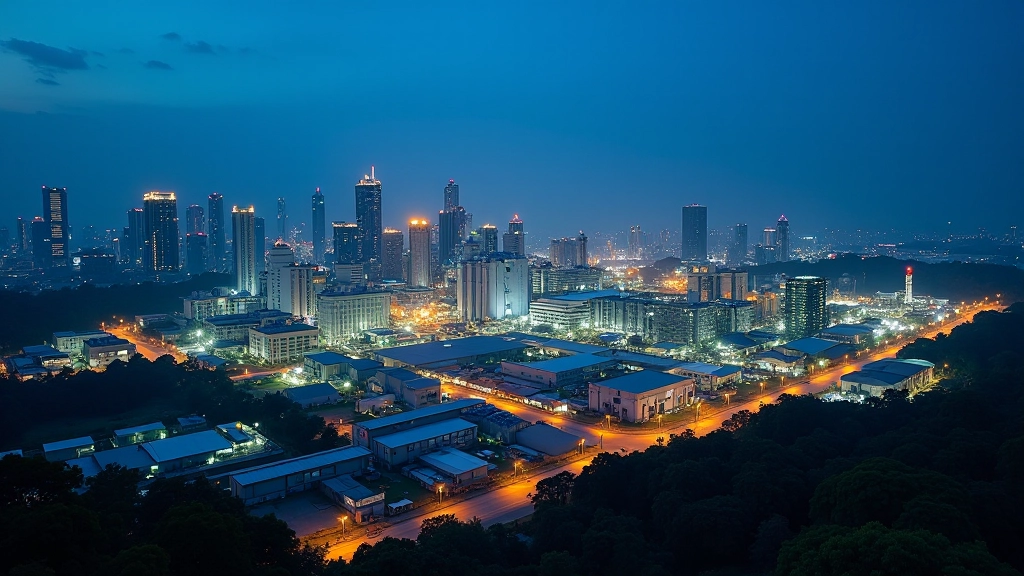
Economic zones aren’t just about moving goods—they facilitate knowledge transfer to local workforces.
Malaysian workers in semiconductor plants learn advanced fabrication techniques, quality control standards, and production management. Many eventually start their own supporting businesses or move into technical management roles.
Local suppliers learn international standards, documentation requirements, and quality expectations. This knowledge spreads throughout the local business ecosystem, improving competitiveness across industries.
Multinational corporations partner with local vocational institutions. Companies provide equipment, curriculum input, and instructor training. Graduates enter the workforce with skills matching employer needs—a cycle that strengthens regional competitiveness.
Research and development conducted in zones often generates patents and innovations. While companies retain IP rights, the knowledge diffuses to suppliers, competitors, and educational institutions, raising the overall technical level of the region.
Malaysia’s special economic zones represent a deliberate strategy to attract foreign investment and build manufacturing capabilities. They’re not accidental developments—they’re the result of decades of infrastructure investment, policy refinement, and strategic positioning within global supply chains.
The performance numbers reflect this intentionality. Over 250 million tonnes of annual cargo flow through these zones. More than 600,000 workers depend on them directly. Multinational corporations have committed billions in capital investments because the zones offer genuine competitive advantages—reliable infrastructure, skilled labor, tax incentives, and access to established supply networks.
What’s particularly effective is how zones function as integrated systems. Individual zones wouldn’t generate the same impact. But Port Klang feeding into the Klang Valley industrial corridor, which connects to Penang’s semiconductor cluster, which links to Johor’s integrated refining operations—that’s a comprehensive economic infrastructure that works because all the pieces support each other.
For policymakers, the lesson is clear: economic zones need comprehensive support. Infrastructure matters. Tax incentives matter. But what really drives growth is creating ecosystems where companies can operate efficiently, suppliers can access markets, and workers can develop valuable skills. When those elements align, the zones become powerful engines for economic development and foreign investment concentration.
Want to explore related aspects of Malaysia’s investment landscape?
Read about MIDA Incentive FrameworksThis article provides educational information about Malaysia’s special economic zones, FDI patterns, and regional development strategies. The data presented reflects general trends and publicly available information current as of March 2026. Specific investment decisions, policy interpretations, or commercial arrangements should be verified through official sources including MIDA, the Malaysian Ministry of International Trade and Industry, and relevant zone authorities. Economic conditions, policies, and regulations change over time. For current incentive details, zone regulations, or investment planning, consult directly with official government agencies or qualified investment advisors.