
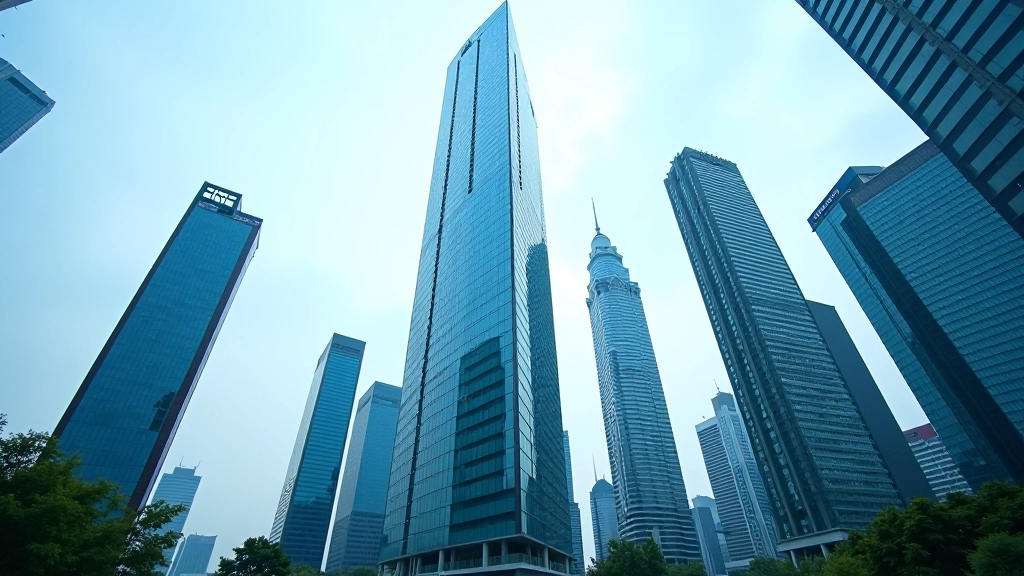
MIDA Incentive Frameworks Explained
A detailed breakdown of Malaysia’s investment incentives, tax holidays, and sector-specific support mechanisms designed to attract foreign capital.
Read MoreUnderstanding foreign direct investment patterns across Malaysia’s manufacturing, technology, and emerging sectors

Foreign direct investment drives Malaysia’s economic engine. We’re seeing real shifts in where money flows and what sectors attract global capital. Understanding these trends matters if you’re tracking the economy, working in business, or interested in how countries compete for investment.
Over the past decade, Malaysia’s FDI patterns have evolved significantly. The country isn’t just attracting traditional manufacturing anymore — semiconductors, electronics, and renewable energy are reshaping the investment landscape. This shift reflects both global economic changes and strategic policy decisions.

FDI inflows into Malaysia have averaged between USD 9-13 billion annually over recent years. The data tells an interesting story — some years spike dramatically while others plateau. What’s driving these fluctuations? Global semiconductor demand, geopolitical shifts, and policy changes all play a role.
Recent trends show concentration in specific sectors. The electronics and semiconductor industry captures roughly 35-40% of total FDI, followed by manufacturing at around 25-30%. These aren’t random distributions. They reflect Malaysia’s competitive advantages — skilled workforce, strategic location, and established supply chains. What’s changing is the emergence of renewable energy and digital infrastructure investments, which now account for roughly 8-12% of inflows.
Diversification is happening. While traditional sectors remain dominant, new technology-focused investments signal Malaysia’s shift toward higher-value manufacturing and digital economy positioning.

Malaysia’s semiconductor hub status attracts continuous investment. Global chip manufacturers expanded operations here significantly in 2024-2025. The sector benefits from established fabrication facilities, R&D capabilities, and proximity to Asian supply chains.
Traditional manufacturing still captures substantial FDI. Automotive parts, machinery, and precision engineering remain attractive. Companies invest here for labor efficiency, regulatory stability, and integration into regional manufacturing networks.
Solar panel manufacturing and renewable infrastructure projects are growing rapidly. Government targets for clean energy adoption have created new investment opportunities. This sector’s growth rate outpaces traditional industries — year-over-year increases of 15-20% are becoming normal.
Data centers, cloud infrastructure, and software development are attracting increasing capital. Tech companies see Malaysia as a regional hub for digital services. Investment in these sectors has doubled since 2021, reflecting the digital economy shift.
Chemical manufacturing remains substantial, though growth has stabilized. Companies value established port infrastructure and existing refinery capabilities. Recent investments focus on specialty chemicals and downstream processing.
Regional distribution hub investments have grown steadily. Companies establish warehousing and logistics operations here to serve Southeast Asian markets. Port modernization and supply chain resilience drive ongoing capital deployment.
FDI doesn’t distribute evenly across Malaysia. Concentration patterns reveal where the real action happens. Selangor attracts roughly 45-50% of all FDI, making it the undisputed investment hub. Penang follows with approximately 20-25%, leveraging its electronics manufacturing reputation and established industrial estates.
Johor’s position as a manufacturing base captures around 10-15% of FDI, particularly for automotive and chemical sectors. Sabah and Sarawak together account for about 5-8%, primarily in oil, gas, and agriculture-related investments. Smaller states like Terengganu and Pahang are seeing increased investment in renewable energy projects, representing an emerging trend that wasn’t significant five years ago.
This geographic concentration creates both opportunities and challenges. Developed states benefit from infrastructure, skilled labor, and established supply networks. Emerging investment destinations in less developed states are gradually improving, though they still compete on cost and incentive structures rather than existing capabilities.
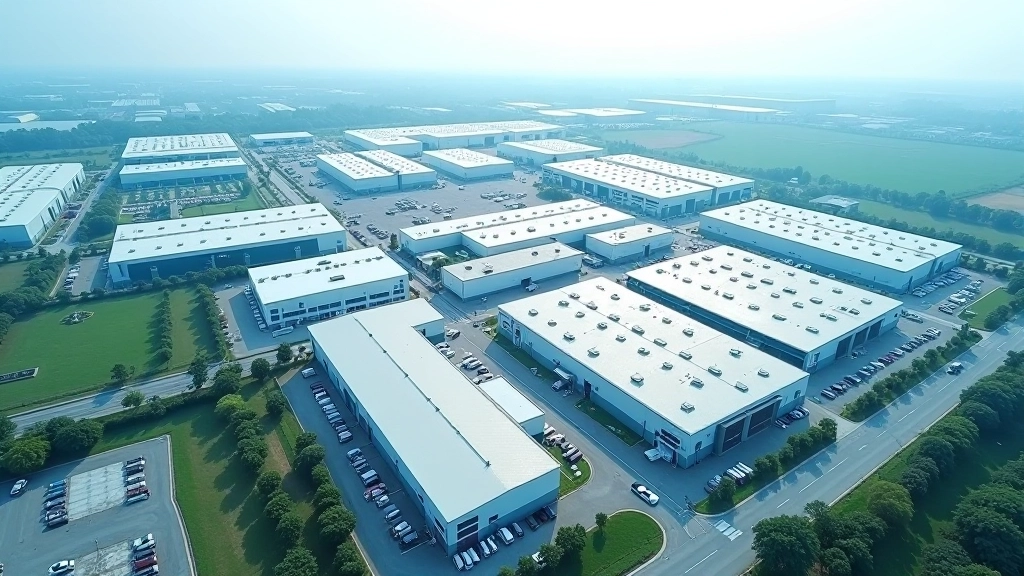
Malaysia’s Investment Development Authority (MIDA) structures incentive packages that directly influence FDI flows. These aren’t just generous offers — they’re strategic tools designed to attract specific sectors and technologies. Pioneer status offers tax exemptions for 5-10 years on profits, depending on sector classification. This matters significantly because a manufacturing company investing USD 50 million can save tens of millions in tax liabilities during the exemption period.
Industrial Building Allowance provides capital deductions for factory construction. Reinvestment Allowance encourages companies to expand operations by offering deductions on new equipment and infrastructure. These mechanisms work together to reduce capital costs and improve return on investment calculations for foreign companies.

Malaysia’s FDI landscape is shifting. Traditional manufacturing remains foundational, but new sectors are reshaping investment priorities. Semiconductors continue dominating, but renewable energy and digital infrastructure are gaining momentum. The geographic concentration around Selangor and Penang persists, though emerging opportunities in other states are developing.
What’s really changing is the type of investment. Companies aren’t just looking for cheap labor anymore. They’re seeking technological capabilities, supply chain stability, and alignment with global sustainability goals. Malaysia’s policy framework through MIDA continues evolving to support these priorities, offering incentives that match what modern investors actually want.
Understanding these trends matters whether you’re analyzing economic data, making investment decisions, or tracking Malaysia’s competitive positioning in global markets. The patterns we’re seeing now will shape the country’s industrial structure for the next decade. Diversification into high-tech sectors while maintaining manufacturing competitiveness represents the strategic balance Malaysia is actively pursuing.
Want to dive deeper into specific sectors or policy frameworks?
Explore MIDA IncentivesThis article provides educational information about Malaysia’s foreign direct investment trends and sector analysis based on publicly available data. The statistics, percentages, and figures presented represent general patterns and should not be considered precise forecasts. Investment data varies by source and methodology. Market conditions, policy changes, and economic factors evolve continuously. This content is informational only and shouldn’t be used as a basis for investment decisions. For specific investment guidance or detailed sector analysis, consult with professional investment advisors, economists, or MIDA directly. Economic trends presented reflect historical patterns and emerging developments but aren’t guaranteed indicators of future performance.